


Autumn Energy Saving Tips: How Artificial Intelligence (AI) is helping households get personalised electricity insights

8th October, 2026
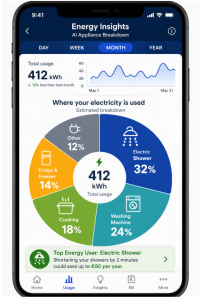
If you’re an Electric Ireland or ESB customer, you may already have access to AI-powered energy insights. These tools use AI and smart meter data to help you understand how electricity is being used in your home. They can estimate which appliances or activities are consuming the most energy, provide personalised energy-saving recommendations, forecast future bills, and identify opportunities to reduce consumption. By turning your smart meter data into easy-to-understand insights, these services can help you make smarter energy choices, lower your usage, and potentially save money on your electricity bills.
Understanding Energy Tariffs: Which One Is Right for You?
Choosing the right tariff can make a big difference to your energy bills. Here’s a quick guide to the most common options:
Standard (24-Hour) Tariff
A standard tariff charges the same rate for electricity regardless of the time of day or night. Every unit of electricity you use costs the same amount.
Pros: Simple and easy to understand. Ideal for households with consistent energy usage throughout the day.
Cons: No opportunity to reduce costs by shifting usage to cheaper periods.
Day/Night Tariff
A day/night tariff has two different rates: a higher rate during the day and a significantly lower rate overnight, typically for an 8-hour period.
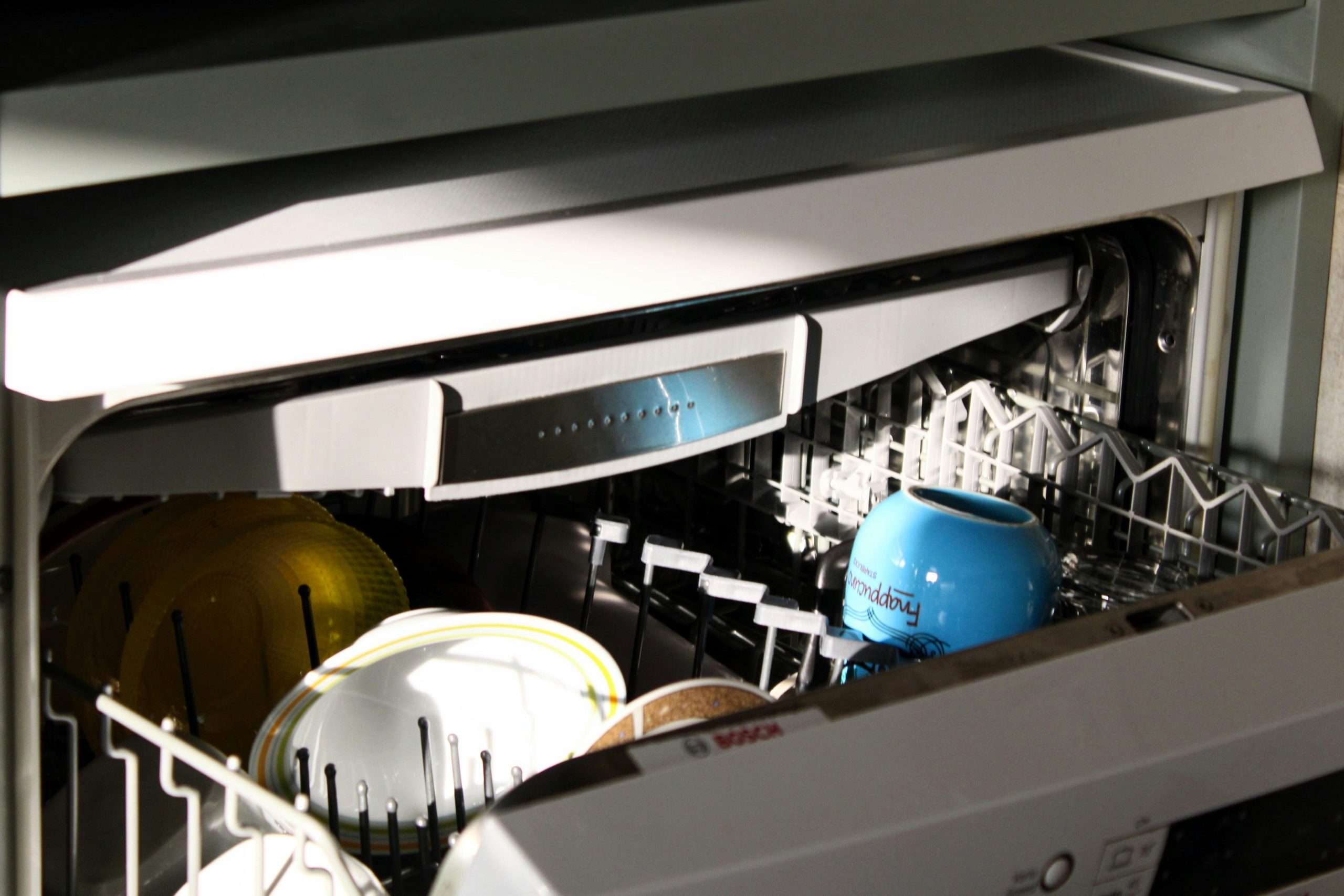
Pros: Can offer substantial savings if you run appliances such as washing machines, dishwashers, immersion heaters, storage heaters, or EV chargers at night.
Cons: Daytime rates are usually higher, so households that use most of their electricity during the day may not benefit.
Smart Tariff (Peak, Day & Night Rates)
Smart tariffs use data from your smart meter to charge different rates depending on the time of day. Electricity is typically cheapest at night, moderately priced during the day, and most expensive during peak evening hours.
Pros: Rewards households that can avoid using large appliances during peak periods. Can deliver meaningful savings for flexible users.
Cons: Peak-time rates can be significantly higher, so costs may increase if most electricity is used during busy evening periods.
Dynamic Pricing Tariff
A dynamic tariff links electricity prices to wholesale energy market prices, meaning the price can change every 30 minutes throughout the day. When there is strong renewable energy generation (such as wind or solar) and lower demand, electricity can be cheaper. When demand is high, prices may increase. Suppliers publish the next day’s electricity prices in advance through their app or online account, allowing you to plan ahead and see when electricity will be cheapest and most expensive.
Dynamic pricing works best for households with flexible energy habits. Spending a minute each evening checking the next day’s prices could help you identify the cheapest times to use electricity and reduce your bills.
Pros: Offers the potential to lower your energy bills by using electricity during cheaper periods and supports greater use of renewable energy.
Cons: Electricity prices can fluctuate significantly, making bills less predictable and requiring active monitoring of usage. Households that use most of their electricity during peak periods may see fewer benefits.
Tip: The cheapest tariff isn’t necessarily the one with the lowest advertised rate, it’s the one that best matches when and how your household uses electricity. By reviewing your smart meter data and understanding your consumption patterns, you can choose a tariff that helps maximise savings and minimise waste.
Get involved in making your home and community a great place to live!
get Involved!!Related News
Published on 23rd October, 2026
Autumn Energy Saving Tips: Which energy tariff is right for you?
Choosing the right tariff can make a big difference to your energy bills. Here's a...
Read MOre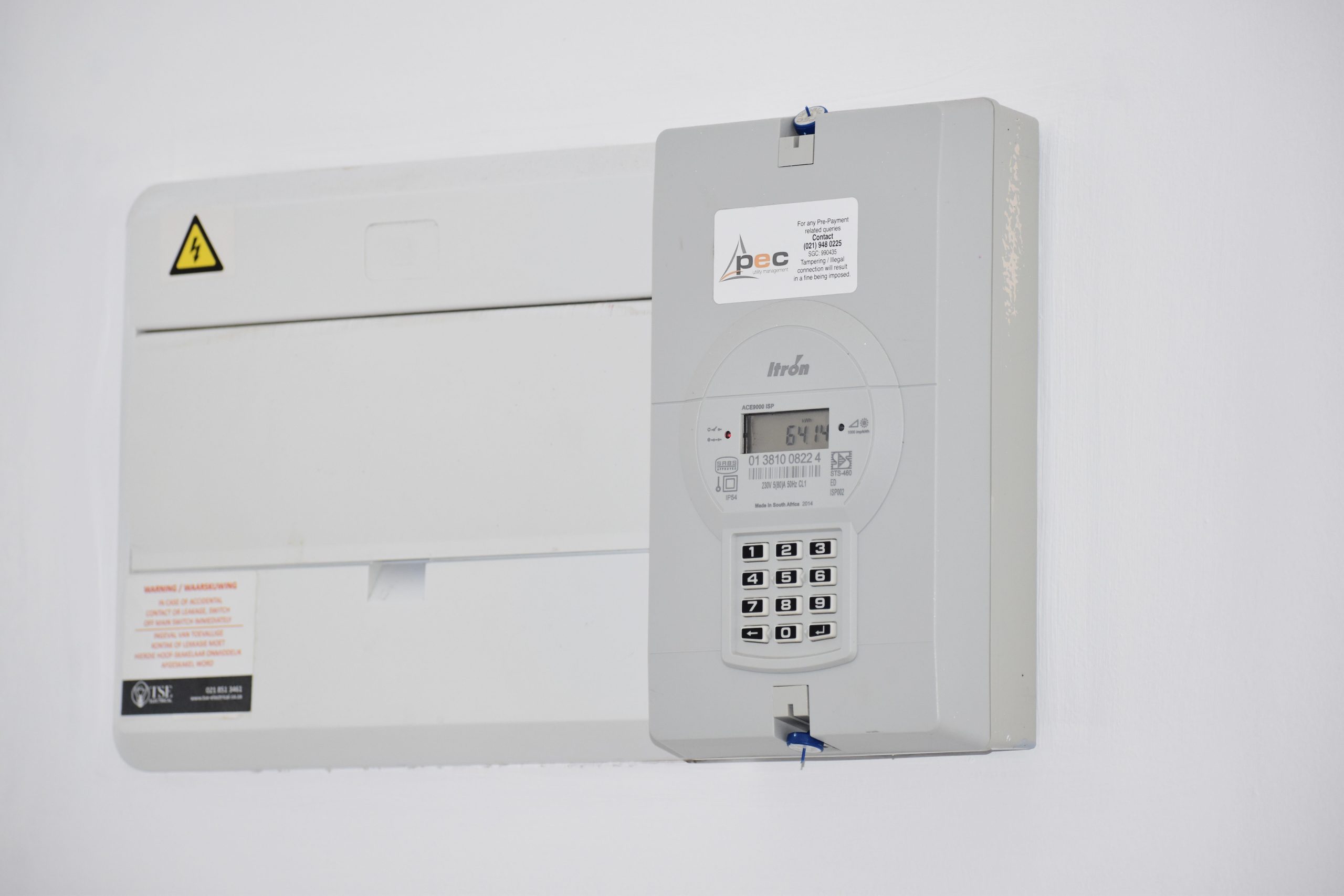
Published on 15th October, 2026
Autumn Energy Saving Tips: Bill-pay v pre-pay plans
Do you pay for your electricity and gas via regular bills from your provider, or...
Read MOre
Published on 12th October, 2026
Supporting safer communities: Tuath secures €142,500 Community Safety Fund grant
We’re delighted to share that Tuath has recently been awarded €142,500 through the Department of...
Read MOre